Transferability and owner options
An exit is one option, not the objective.
A sale is only one possible path. The stronger and less owner-dependent the company becomes, the more credible the owner's choices become.
Read the articleFounder and creator of Lucensys™
Steve Duke helps business owners reduce owner dependence and build transferable value. The result is more credible choices: grow it, hold it, exit it, or live on what it built.
The owner problem
Income matters. But income alone does not tell an owner whether the company can scale, transfer, or survive a serious disruption.
Transferability is how much of a company's value survives the owner's exit. That surviving value is what an informed buyer is actually buying.
From idea to action
Lucensys helps owners identify where dependence, hidden risk, and execution weakness are limiting transferability. The right next step follows the finding, not a menu of disconnected services.
Current Insight
Transferability and owner options
A sale is only one possible path. The stronger and less owner-dependent the company becomes, the more credible the owner's choices become.
Read the article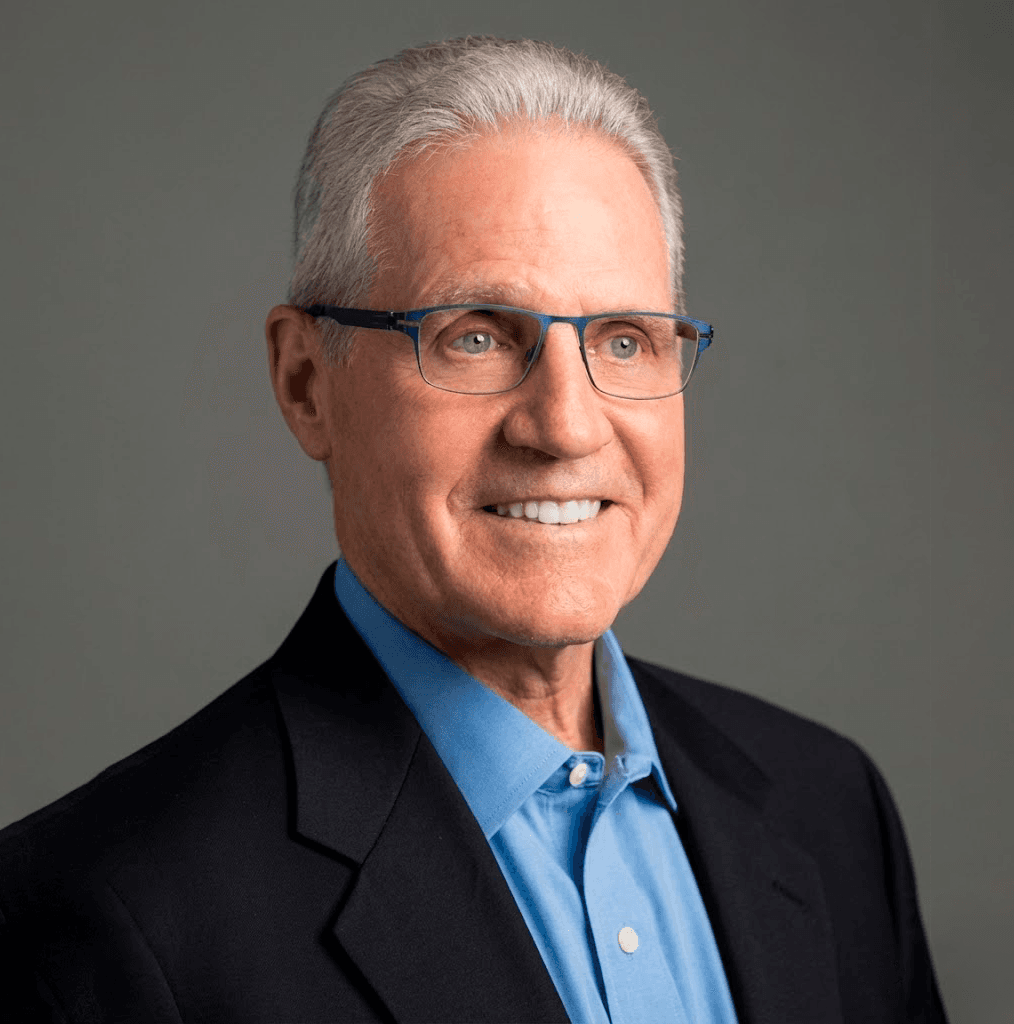
About Steve
Steve Duke is the founder and creator of Lucensys. Nearly three decades in major corporations taught him how strong organizations use systems, accountability, and capable teams. Owning a smaller business showed him how easily the owner can become the system.
Those experiences shaped his work on owner dependence, transferable value, and the choices a stronger company can create.
Read the story behind the workSpeaking
Steve speaks with owners and professional audiences about owner dependence, transferable value, and the choices a stronger company can create.
Explore speaking topicsWeekly newsletter
Weekly thinking from Steve Duke for owners building stronger, more transferable businesses.
Read and subscribeBook in development
A business can produce income and still leave its owner with too few choices. The book explains how to reduce owner dependence, build transferable value, and prepare for four possible paths: grow it, hold it, exit it, or live on what it built.
Explore the bookFour owner options
A practical first conversation
If owner dependence or hidden business risk may be limiting your options, a Clarity Call can help frame the problem and identify a sensible next step.
Book a Clarity Call